Personalized Senior Care Services: Your Companion in Aging Gracefully
Personalized senior care services play an essential part in assisting older adults as they grow older. These services focus on individual preferences and needs, delivering critical assistance that enhances both autonomy and health. With choices ranging from companionship to specialized health care, loved ones often encounter difficulties in selecting the appropriate method. Comprehending the different aspects of personalized support can contribute to substantial improvements in quality of life for seniors. What factors should one evaluate when selecting a care provider?
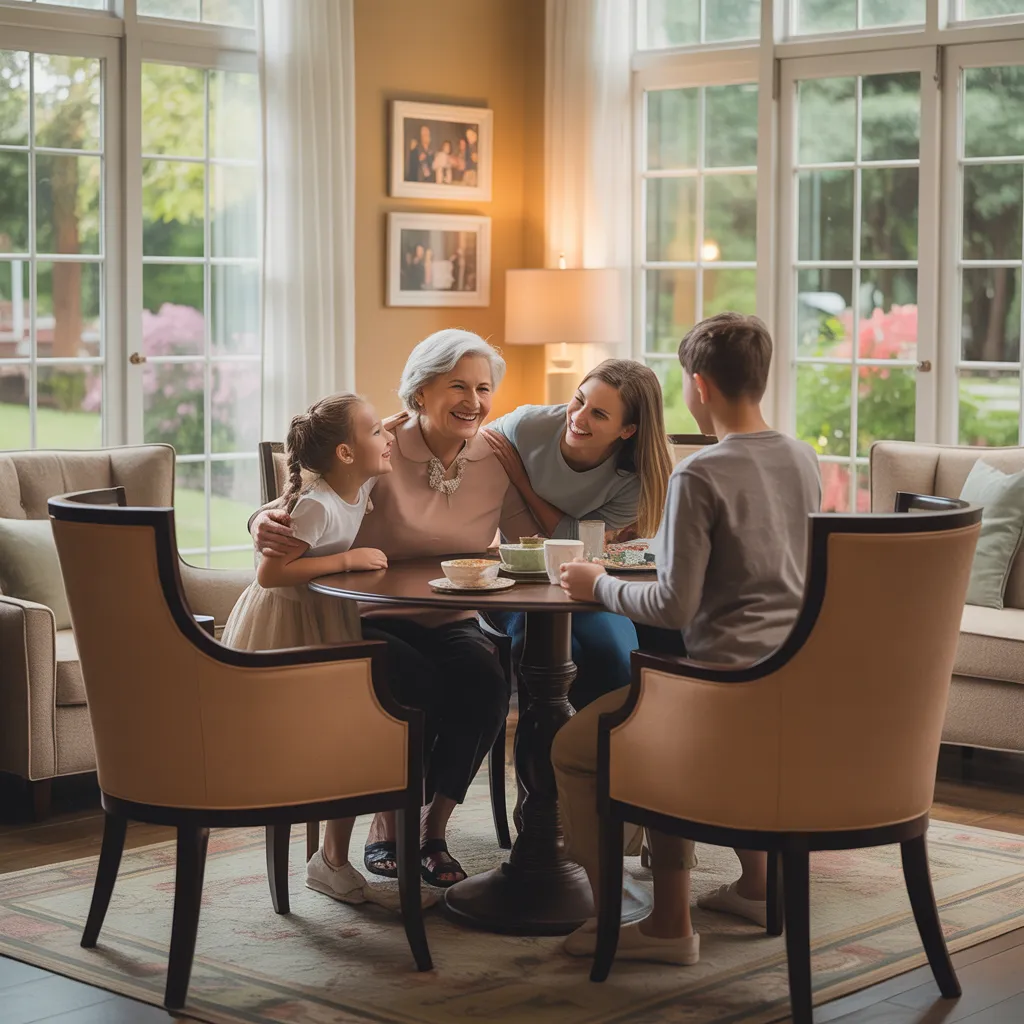
Understanding Customized Elderly Care Services
Personalized care can encompass assistance with daily activities, health monitoring, and companionship, all created to promote independence and respect. By focusing on the individual, caregivers can foster a sense of community and meaning, which is essential for mental health. Furthermore, these services often adapt over time, responding to the changing needs of the elderly. This adaptability allows for ongoing assessment and modification, ensuring that support remains relevant and effective. Ultimately, personalized senior care is about enhancing the general quality of life of older adults in a respectful and compassionate manner
Types of Customized Elderly Care Services
Elderly care programs that are customized cover a range of alternatives adapted to satisfy unique requirements. Primary types include in-home care choices that provide help inside the comfort of one's residence, plus focused medical care designed for certain health issues. These programs aim to improve the quality of life for older adults, ensuring they receive the proper support.
Domestic Services Choices
As families labor to guarantee their family members obtain the finest care, various at-home care alternatives appear to meet diverse needs. Companionship support services provide mental health assistance and social interaction, helping seniors overcome loneliness while helping with daily activities. Personal care aides emphasize hygiene and mobility support, confirming safety and comfort in a familiar environment. For those demanding more assistance, homemaker services offer help with household tasks such as cleaning, cooking, and laundry, allowing seniors to maintain their independence. Respite care supplies short-term relief for primary caregivers, granting vital breaks while sustaining continuity of care. Each option stresses individualized care, allowing families to choose the level of support that aligns with their loved one's unique requirements.
Dedicated Health Services
Handling the obstacles of aging often requires specialized health services tailored to meet the distinct medical needs of seniors. These services provide a range of offerings, such as geriatric assessments, chronic disease management, and physical therapy. Geriatric assessments examine an individual's overall health, identifying specific needs and interventions. Chronic disease management concentrates on conditions like diabetes or heart disease, offering ongoing support and education to ensure ideal health outcomes. Physical therapy helps seniors restore mobility and strength, improving their quality of life. Additionally, mental health services address emotional well-being, delivering counseling and support groups. By integrating these specialized services, seniors can navigate their health journeys with greater assurance and support, ultimately promoting a more graceful aging process.
Key Advantages of Individualized Senior Care
Personalized elderly support yields considerable advantages by utilizing person-specific treatment plans that fulfill unique needs. This adaptation not only promotes better medical outcomes but also strengthens the quality of life for seniors. By concentrating on the personal choices and requirements of each senior, individualized support builds a supportive community perfect for overall well-being.
Bespoke Patient Care Frameworks
An rising volume of aged care organizations are understanding the value of individualized care approaches, which respond directly to the distinct requirements and wishes of each client. These customized programs analyze various aspects, including medical history, physical capabilities, and emotional well-being, making certain that care is not only effective but also respectful of the senior's lifestyle and wishes. By engaging family members and caregivers in the planning process, these services cultivate a coordinated strategy that boosts satisfaction and compliance. In addition, tailored care plans can transform, mirroring changes in health status or personal preferences, thereby providing ongoing support. This customized focus helps seniors keep independence while receiving the care they require, ultimately leading to more gratifying and enriching experiences.
Heightened Standard Of Life
Numerous studies highlight that personalized senior care significantly improves the quality of life for older adults. By focusing on unique needs, preferences, and lifestyles, these services promote physical, emotional, and social well-being. Tailored care plans can lead to better health outcomes, as they often include customized nutrition, exercise, and medication management. Additionally, personalized attention fosters meaningful relationships between caregivers and seniors, reducing feelings of isolation and loneliness. This supportive environment promotes active engagement in daily activities, enhancing mental stimulation and overall happiness. Ultimately, personalized senior care not only addresses medical needs but also enhances the emotional and social dimensions of aging, allowing older adults to thrive and maintain their dignity.
Selecting the Ideal Senior Care Service
How can relatives ensure they select the most appropriate senior care provider for their family members? The procedure begins with thorough research. Families should evaluate candidate facilities based on qualifications, experience, and services offered. Reviewing online reviews and testimonials can provide useful information into the standard of care provided.
Following this, organizing interviews permits families to ask particular inquiries, ensuring that the provider's values and methods align with their loved one's requirements. It is crucial to evaluate the care setting's environment and staff interaction, as these factors significantly impact the quality of care.
Additionally, validating proper licensing and accreditation can help families determine the provider's credibility. Grasping the fee arrangement and available financial options is equally important to avoid surprise costs. At the end of the day, choosing a senior care provider should involve a balance of extensive research and personal connection, making certain that the selected option upholds the loved one's well-being and dignity.
Improving Self-Reliance and Safety for Elderly People
Furthermore, technology serves as a crucial factor in enhancing independence. Tools like medical alert systems and home monitoring solutions enable seniors to manage their daily activities with confidence. Customized care strategies, tailored to individual needs, further support seniors in engaging in hobbies and social engagements, creating a sense of purpose.
Additionally, caregivers give aid with daily tasks while urging seniors to take part whenever they're able. This equilibrium of assistance and freedom not only boosts safety but also cultivates self-esteem, ultimately bringing about a more gratifying and self-reliant lifestyle for seniors.
Success Stories: How Personalized Care Changed Lives
Personalized care has proven transformative for many older adults, illustrating the profound effect tailored support can have on their wellbeing. One such triumph involves a 78-year-old woman named Margaret, who faced challenges with movement and isolation. After joining a personalized care program, she received assistance that encompassed personalized fitness routines and social engagement activities. Within months, Margaret recovered vigor and confidence, enabling her to take part in community events.
Likewise, John, a 72-year-old veteran with memory challenges, reaped the benefits of one-on-one cognitive stimulation activities intended for his interests. His caregiver incorporated familiar themes from his military service, building meaningful conversations and easing anxiety.
These demonstrations show how personalized care not only meets individual needs but also strengthens emotional health. By tailoring services to each senior's unique circumstances, care attendants can markedly enhance quality of life, enabling seniors to age gracefully and with dignity.
Frequently Asked Inquiries
How Do Caregivers Develop Individualized Care Plans for Every Senior?
Tailored care plans for older adults are formed through thorough assessments, involving assessments of health, likes, and daily needs. Engaging with medical providers, household members, and the seniors themselves confirms personalized support that fosters quality of life and dignity.
What Abilities Ought Care Workers Possess for Personalized Services?
Caregivers need to obtain relevant certifications, such as CPR and first aid, in addition to dedicated preparation in elderly care. Empathy, communication skills, and experience with various medical conditions are important for delivering effective personalized services.
In What Ways Can Families Remain Active in the Care Process?
Families can stay involved in the caregiving journey by participating in conferences, communicating regularly with care providers, taking part in care planning, and engaging in activities with their loved ones, creating a cooperative and nurturing environment for elderly individuals.
What Contingency Protocols Have Been Created for Older Adults Receiving Support?
Crisis procedures for seniors undergoing care incorporate immediate access to medical assistance, developed communication channels for attendants, regular protective drills, and person-specific emergency blueprints modified to unique health needs data and preferences, guaranteeing timely action during critical crises.
Is Personalized senior care assistance included in insurance coverage?
Older adult care support options that are personalized may be partially paid by insurance providers, relying on the plan details. Support often fluctuates by vendor and certain services required, so individuals should consult with their insurance coverage for detailed information regarding qualification standards and available benefits.